
Tag: Human Behavior
-

Can Great Art Transform Your Mind? The Hidden Psychology of Active Imagination and Self-Knowledge
Are Dreams Really the Best Material for Understanding Ourselves? When Carl Jung developed the technique of active imagination, he proposed a method that remains one of the most fascinating and debated practices in analytical psychology. His central insight was both simple and revolutionary: instead of dismissing dreams, fantasies, symbolic images, and spontaneous contents emerging from…
-

Can Great Art Change Your Personality? The Surprising Truth Jung, Aristotle, and Psychology Reveal
Does Everything We Consume Quietly Shape Who We Become? Most people intuitively recognize that stories leave marks upon us, even if we rarely stop to consider how profound those marks might actually be. The books we read, the films we revisit, the music that accompanies important moments in our lives, and the images that repeatedly…
-

Does Individuation Make You a Better Person? The Moral Question Jung Never Answered
Does Becoming Your True Self Automatically Make You a Better Person? Few concepts developed by Carl Gustav Jung have proven as compelling, enduring, and psychologically attractive as individuation. At first glance, the idea seems deeply inspiring: within each person exists an unrealized potential, a more complete version of oneself waiting to emerge, and one of…
-
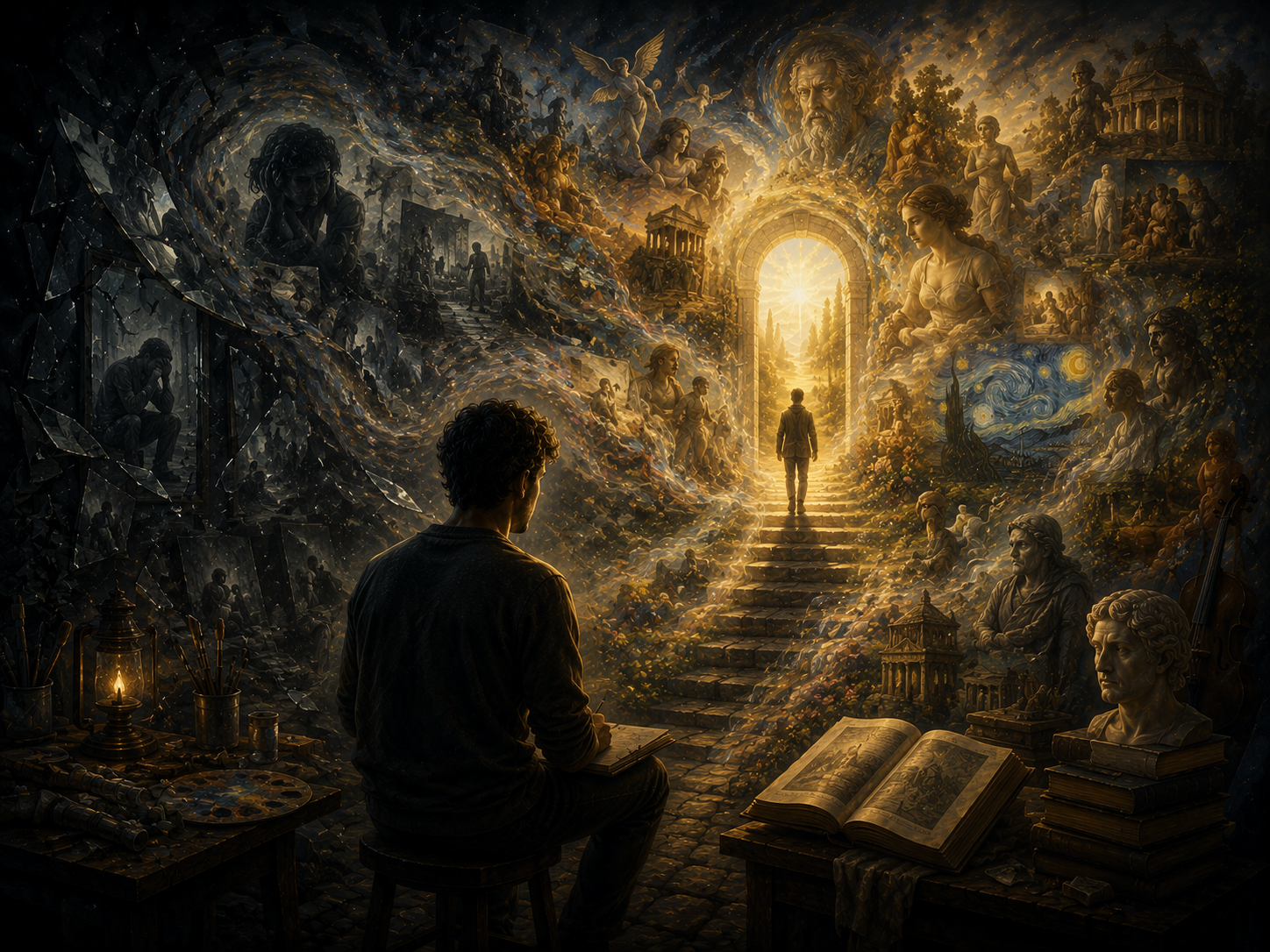
Can Great Art Make You a Better Person? What Jung, Aristotle, and Psychology Reveal
Does Everything We Consume Quietly Shape Who We Become? Few ideas seem more intuitively true than the belief that the stories we encounter, the books we cherish, the music we replay endlessly, and the films that linger in our memory long after the credits roll leave some kind of imprint upon us. Most people accept…
-
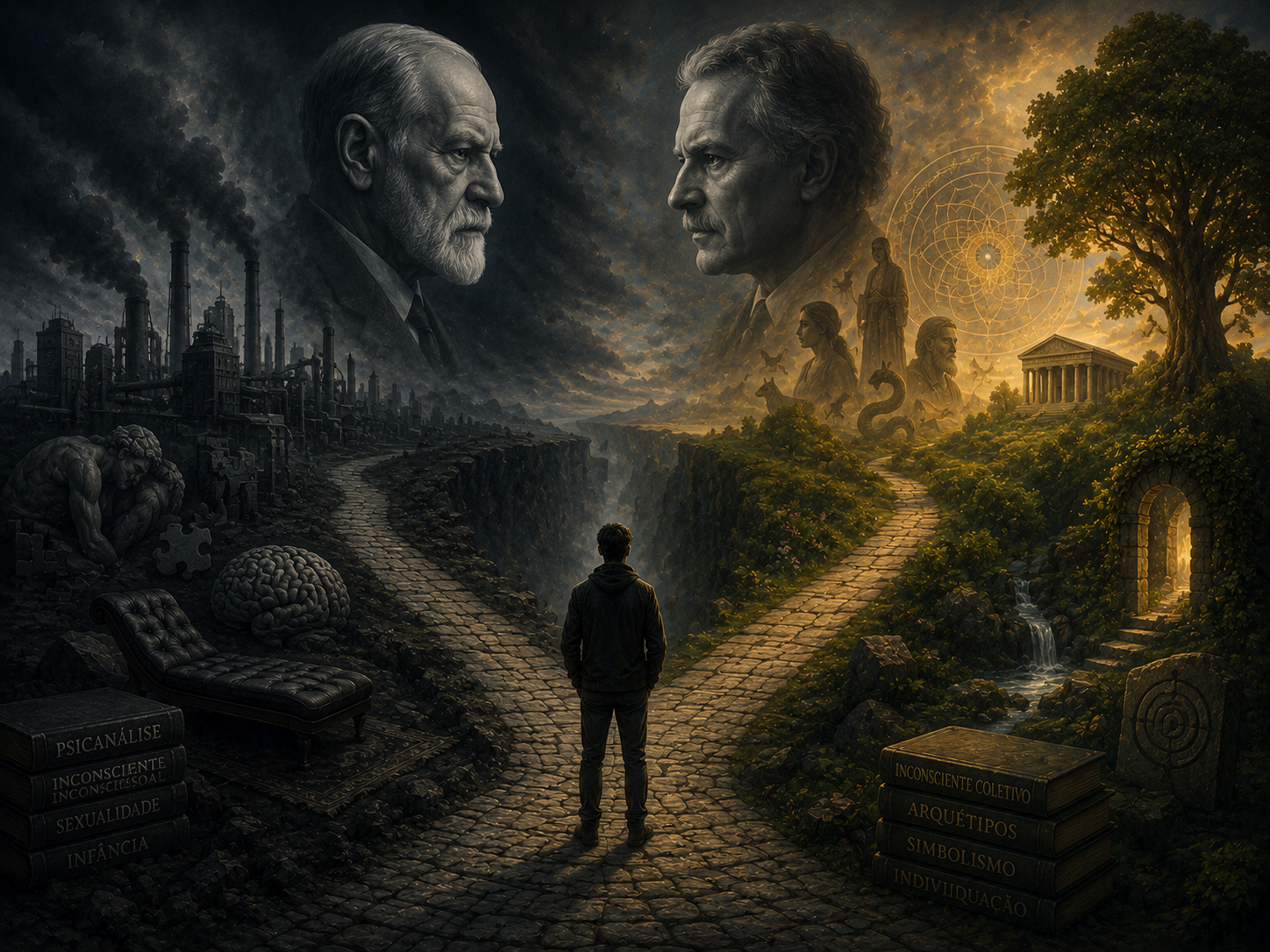
Jung and Freud: Where They Agree and Disagree
The Friendship That Changed the History of Psychology Few intellectual relationships have had a greater impact on modern psychology than the one between Sigmund Freud and Carl Gustav Jung. For several years, Jung was widely regarded as Freud’s natural successor, a brilliant young psychiatrist capable of carrying psychoanalysis into the future. Freud admired Jung’s intelligence,…
-
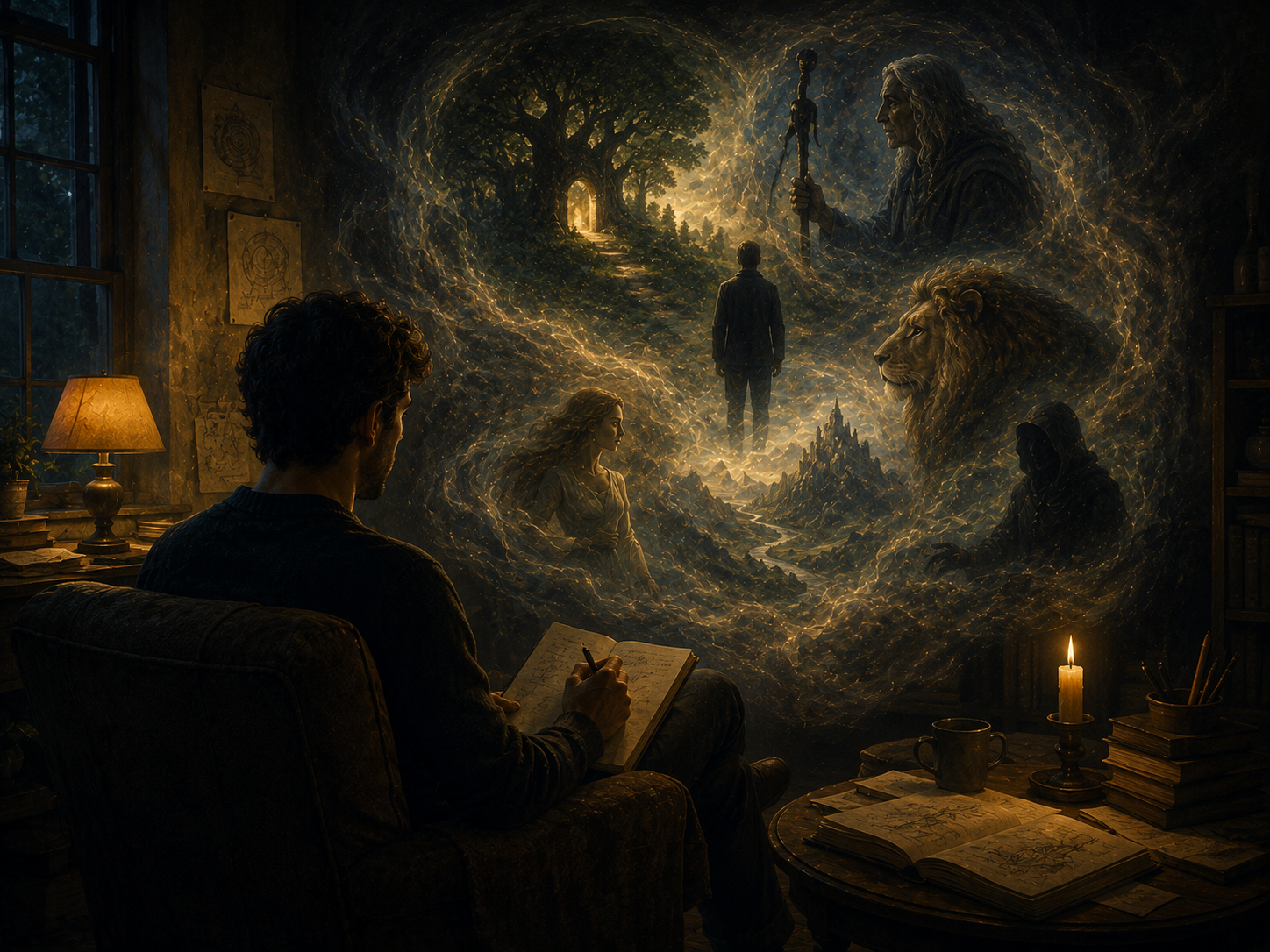
What Is Active Imagination in Jungian Psychology?
What If You Could Speak With Hidden Parts of Your Own Mind? At first glance, the idea may sound unusual, perhaps even a little absurd. Imagine closing your eyes and seeing a figure emerge before you: an old wise man, a child, a warrior, a stranger, or perhaps a dark and unsettling presence that seems…
-

What Is Countertransference in Psychotherapy? A Simple Explanation
Do Therapists Have Feelings Too? When most people imagine psychotherapy, they tend to picture a relatively straightforward process: the patient speaks, the therapist listens, and insight gradually emerges through conversation. In reality, however, the therapeutic relationship is far more complex, emotionally charged, and psychologically dynamic than this simplified image suggests. Patients experience powerful emotions toward…
-
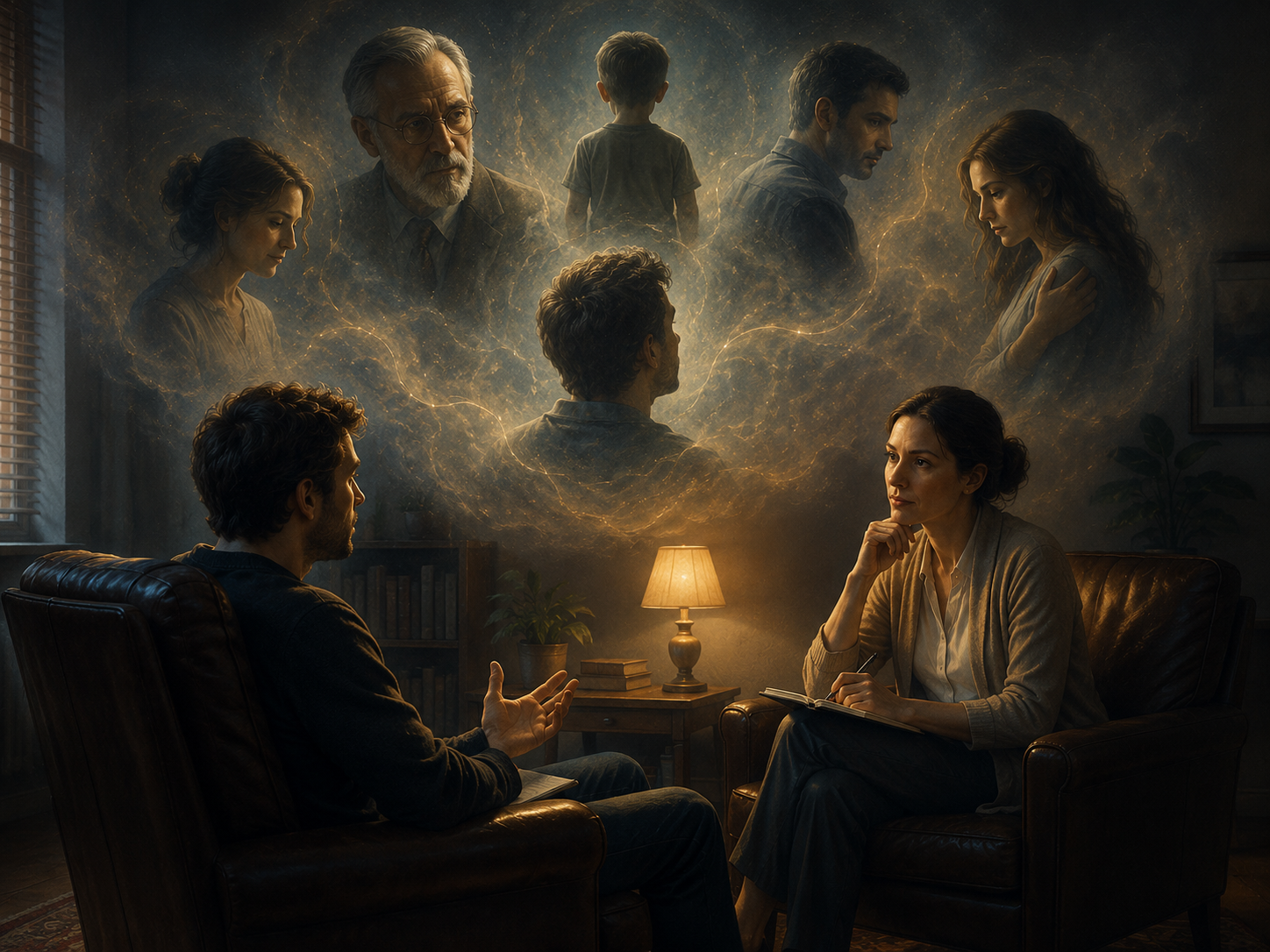
What Is Transference in Psychotherapy? A Simple Explanation
Have You Ever Felt Something Intense for Someone You Barely Knew? Perhaps it was admiration, an immediate sense of trust, unexpected anger, or even an unexplained dislike. Experiences like these can feel surprisingly powerful, especially when we consider how little we actually know about the person in question. According to psychoanalysis, however, we do not…
-

What Are Archetypes? A Simple Explanation
Why Do Different Cultures Tell Similar Stories? A hero begins a journey. A wise mentor offers guidance. A mother protects her child. A villain embodies chaos. These characters appear in myths, religions, novels, movies, and legends across the world. But why? How did cultures separated by oceans, languages, and centuries create such similar stories? Carl…
-

What Is the Self in Jungian Psychology? Meaning and Explanation
Is There a Part of You That You Still Don’t Know? Most people believe they know who they are. We know our name, our profession, our preferences, and our personal story. We have beliefs, values, and a fairly clear image of ourselves. But Carl Gustav Jung believed that this image represents only a small portion…