
Author: carlosfozcri99@gmail.com
-

The Hidden Cost of Progress
Does Human Progress Always Make Human Life Better? Human history is often told as a story of progress. We look backward and see the development of agriculture, cities, science, industry, medicine, transportation, communication, and technology, and it is difficult not to recognize how dramatically these transformations have expanded human possibilities. People today can travel across…
-
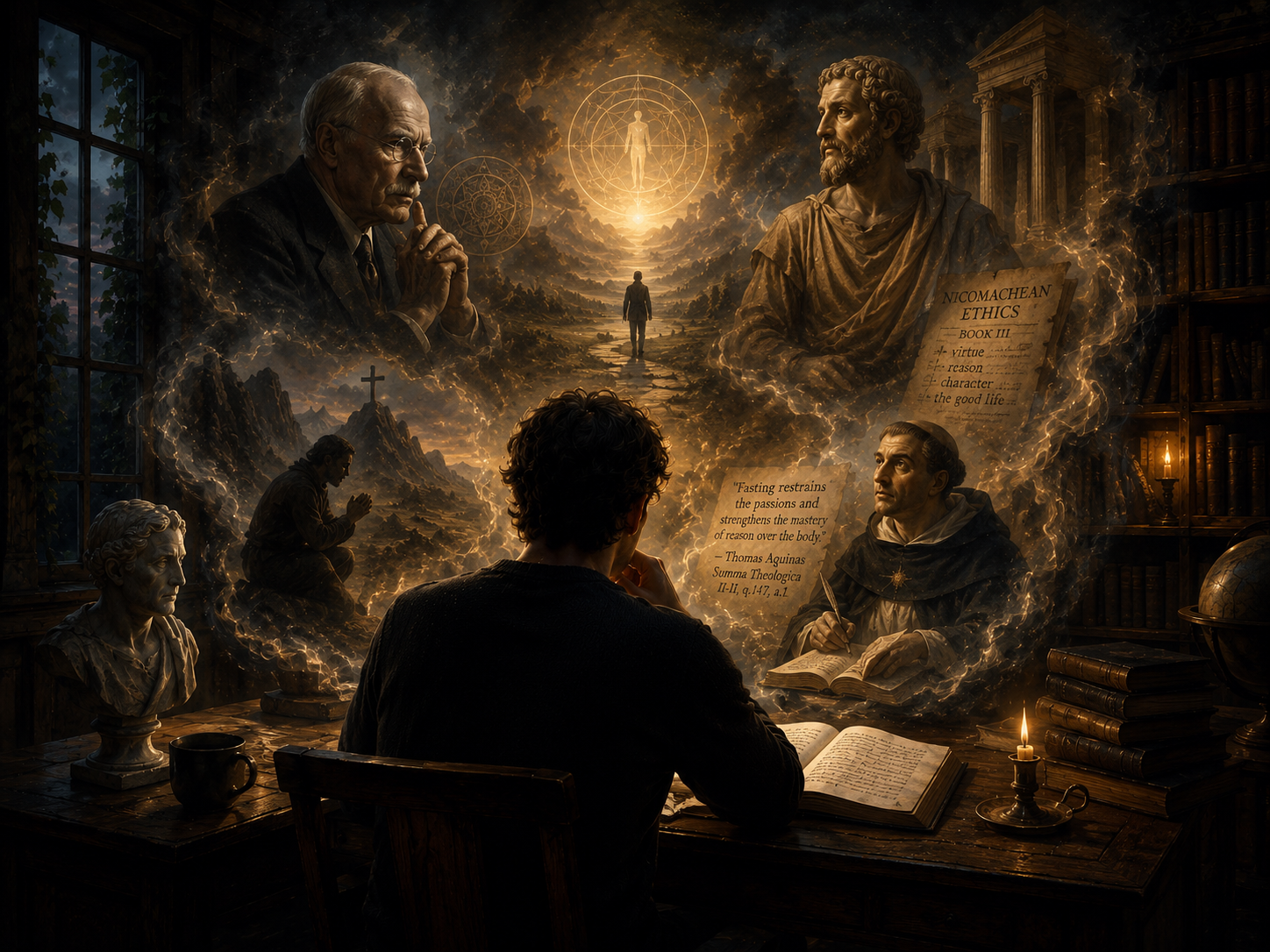
Can Christian Asceticism Make You More Free? What Jung, Aristotle, and Psychology Reveal About Self-Mastery
Is Becoming Yourself Enough, or Must You Also Learn to Govern Yourself? Few ideas developed by Carl Gustav Jung resonate as deeply with contemporary readers as individuation. The concept possesses an almost instinctive appeal because it suggests that every human being carries within themselves unrealized possibilities, hidden dimensions of personality, and a unique potential waiting…
-
Can Great Art Transform Your Mind? The Hidden Psychology of Active Imagination and Self-Knowledge
Are Dreams Really the Best Material for Understanding Ourselves? When Carl Jung developed the technique of active imagination, he proposed a method that remains one of the most fascinating and debated practices in analytical psychology. His central insight was both simple and revolutionary: instead of dismissing dreams, fantasies, symbolic images, and spontaneous contents emerging from…
-
Can Great Art Change Your Personality? The Surprising Truth Jung, Aristotle, and Psychology Reveal
Does Everything We Consume Quietly Shape Who We Become? Most people intuitively recognize that stories leave marks upon us, even if we rarely stop to consider how profound those marks might actually be. The books we read, the films we revisit, the music that accompanies important moments in our lives, and the images that repeatedly…
-

Does Individuation Make You a Better Person? The Moral Question Jung Never Answered
Does Becoming Your True Self Automatically Make You a Better Person? Few concepts developed by Carl Gustav Jung have proven as compelling, enduring, and psychologically attractive as individuation. At first glance, the idea seems deeply inspiring: within each person exists an unrealized potential, a more complete version of oneself waiting to emerge, and one of…
-
Can Great Art Make You a Better Person? What Jung, Aristotle, and Psychology Reveal
Does Everything We Consume Quietly Shape Who We Become? Few ideas seem more intuitively true than the belief that the stories we encounter, the books we cherish, the music we replay endlessly, and the films that linger in our memory long after the credits roll leave some kind of imprint upon us. Most people accept…
-
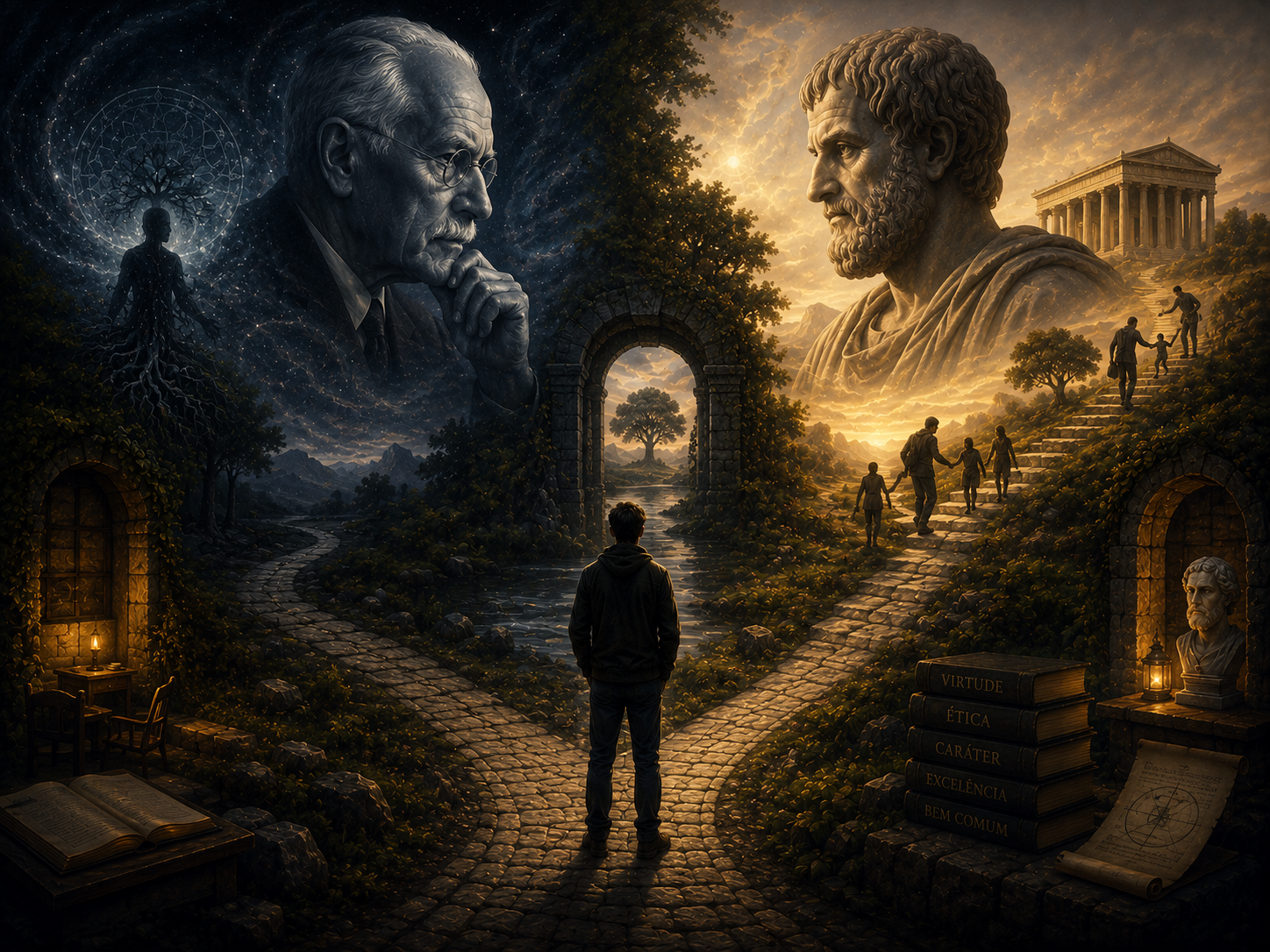
Jung and Aristotle: Is Self-Knowledge Enough, or Is Becoming Better the Real Goal of Life?
Is Self-Knowledge Really Enough? Few ideas have become as influential in contemporary culture as the pursuit of self-knowledge. Books, podcasts, therapists, social media personalities, and an endless stream of self-improvement literature repeatedly encourage us to look inward, understand ourselves more deeply, and uncover the hidden forces shaping our thoughts, emotions, and decisions, all built upon…
-
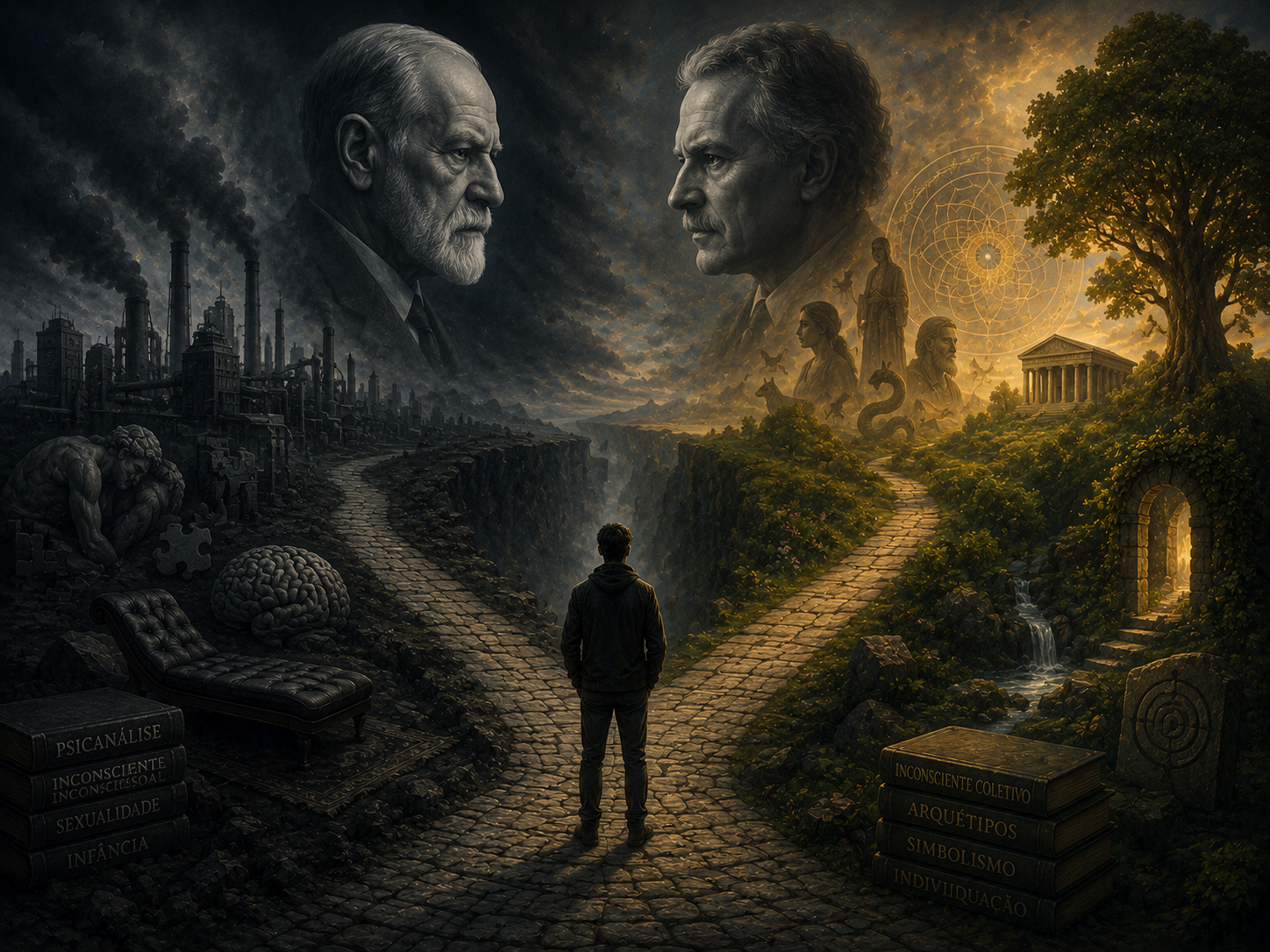
Jung and Freud: Where They Agree and Disagree
The Friendship That Changed the History of Psychology Few intellectual relationships have had a greater impact on modern psychology than the one between Sigmund Freud and Carl Gustav Jung. For several years, Jung was widely regarded as Freud’s natural successor, a brilliant young psychiatrist capable of carrying psychoanalysis into the future. Freud admired Jung’s intelligence,…
-
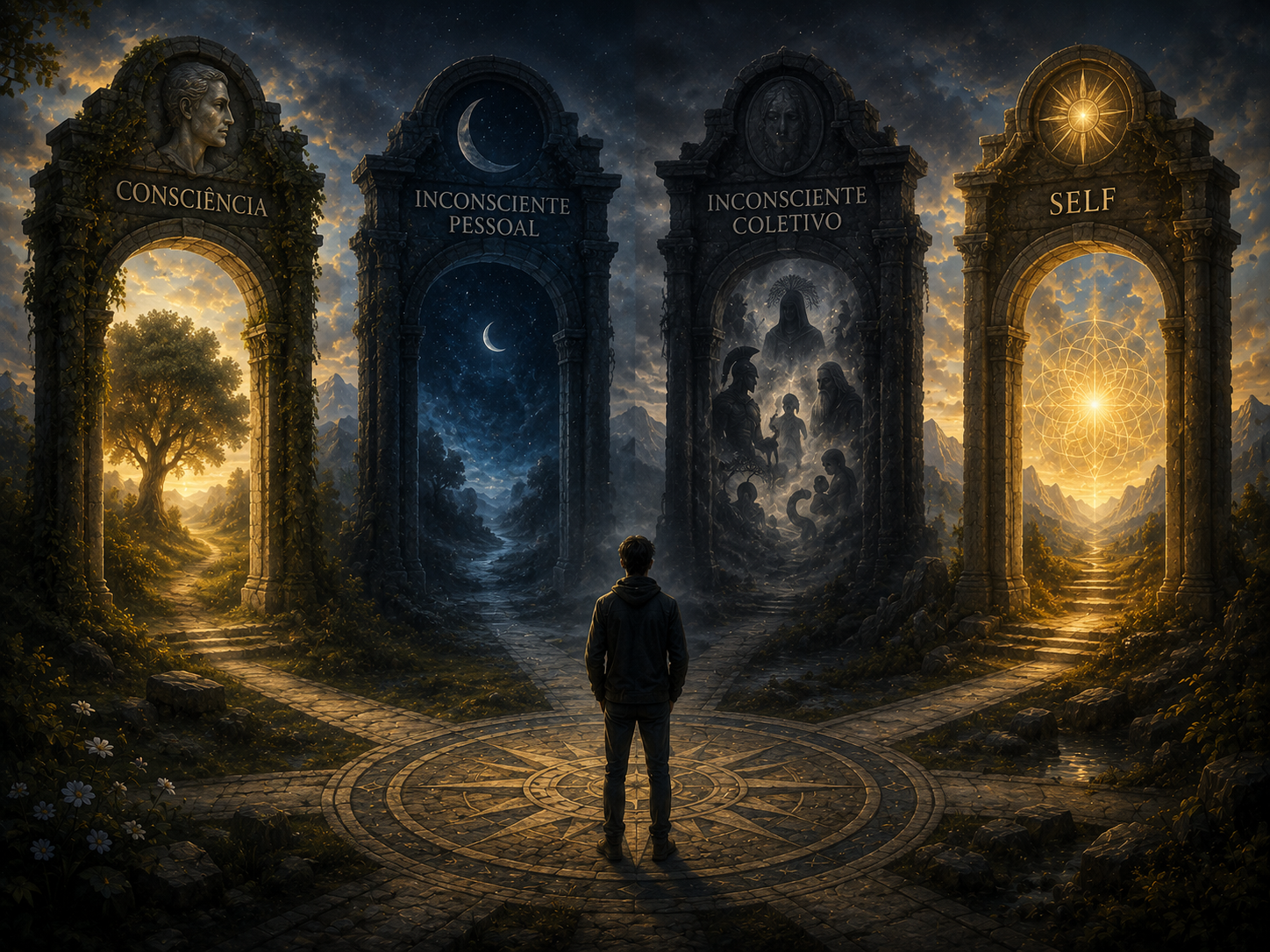
What are the 4 Pillars of Jungian Psychology?
Why Does Carl Jung Continue to Fascinate Millions of People? More than half a century after his death, Carl Gustav Jung remains one of the most influential, debated, and widely read psychologists in modern intellectual history. His ideas have shaped not only psychology, but also philosophy, literature, religion, art, cinema, and contemporary discussions about identity,…
-
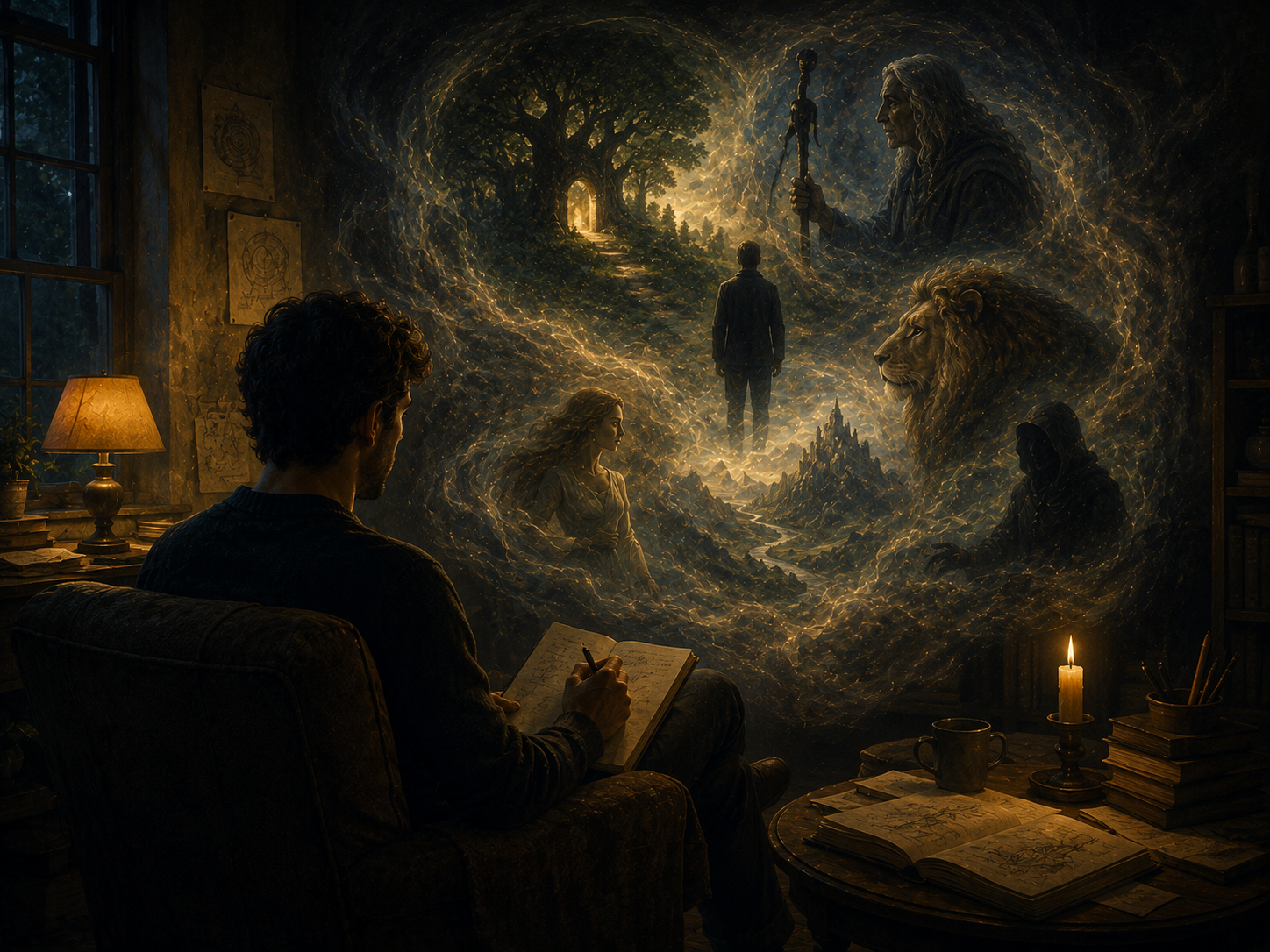
What Is Active Imagination in Jungian Psychology?
What If You Could Speak With Hidden Parts of Your Own Mind? At first glance, the idea may sound unusual, perhaps even a little absurd. Imagine closing your eyes and seeing a figure emerge before you: an old wise man, a child, a warrior, a stranger, or perhaps a dark and unsettling presence that seems…